

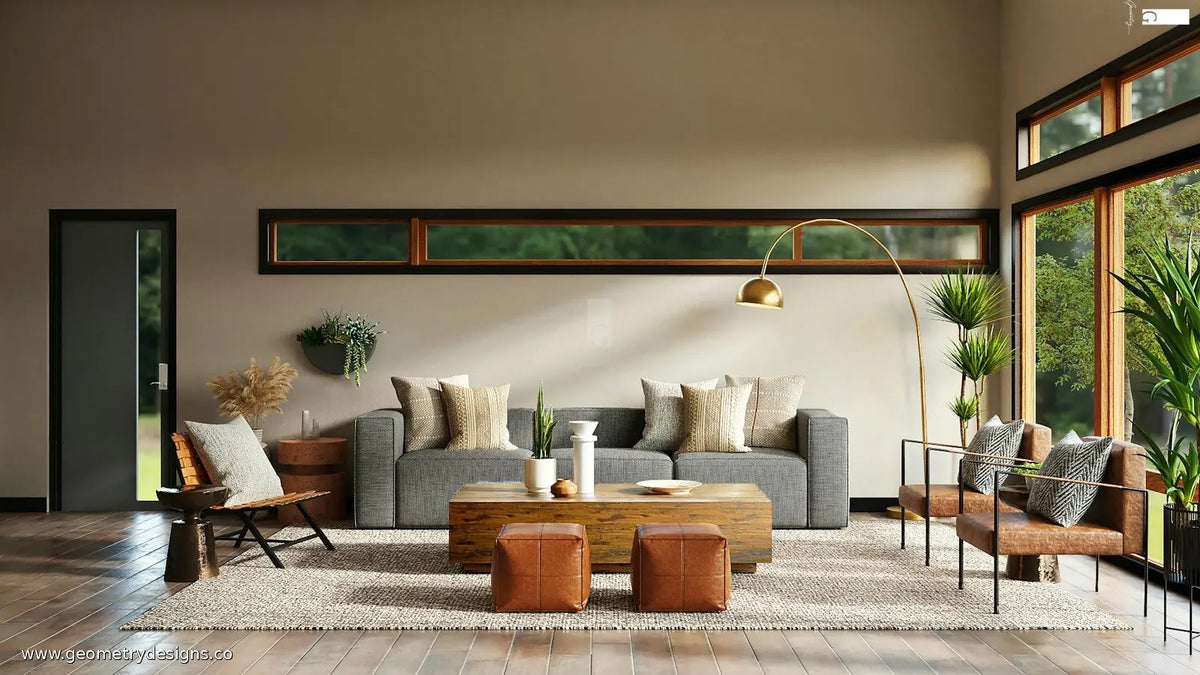
Answer: Refresh a room layout before a bigger furniture purchase by clearing visual noise first, testing real walk paths for a week, naming one temporary lead piece, and only then deciding what the next purchase must solve - scale, storage, seating count, or calm.
Most expensive furniture mistakes start as layout impatience. A new sofa, console, or statement chair arrives into a room that still has yesterday's circulation, yesterday's clutter, and yesterday's "temporary" side table that somehow became permanent. Geometry clients who get the calmest results usually do something quieter first: they refresh the layout they already have, learn what the room is asking for, and only then brief the next piece.
This Project And Room Stories guide walks through that pre-purchase refresh for Indian apartments and villas - without pretending you need a renovation. Use it before you open Geometry's full collection or contact the studio for a custom brief.
Why Should You Refresh Layout Before Ordering Anything New?
A bigger purchase locks in scale. Sofas, loveseats, consoles, and custom seating are hard to reverse once paid deposits and lead times start. A layout refresh is cheap information: it shows whether you need more seating, better walk clearance, a stronger focal wall, or simply less volume.
Designers often notice the same pattern described in what a designer notices first in a luxury living room: the room already signals its priorities through sightlines and path friction. Reading those signals before shopping keeps the next piece from fighting the architecture.
Treat the refresh as research, not decorating. You are collecting evidence about clearance, guest seating, and visual lead - the same evidence Geometry needs before recommending a catalogue piece versus a custom dimension. Skipping this step is how rooms accumulate "almost right" furniture that never settles.
What Should You Clear Before You Move a Single Piece?
Start with subtraction. Remove festival leftovers, stacked magazines, orphaned stools, and the second coffee-table tray that duplicates the first. Keep floors and primary surfaces visible for at least three days. Luxury in Indian homes often returns when storage is intentional rather than decorative - see how quieter rooms are styled in how to style a luxurious living room without clutter.
Photograph the emptied room from the main entry and from the seating zone. Those two frames become your before baseline for the refresh week.
How Do You Test Walk Paths Without Buying Tape or Apps?
Walk the daily routes: entry to sofa, sofa to dining, sofa to balcony, kids' path to the TV wall if you have one. Note every place you turn sideways, bump a chair arm, or step over a rug edge. Those friction points are layout evidence, not personality flaws.
If a path feels tight, move the lightest piece first - an accent chair from accent chairs or a slim console from console tables - and live with the change for 48 hours before judging it. Temporary moves teach more than mood boards. Pair this with the flow checklist in how to check room flow before adding a statement piece.
Which Temporary Lead Should Anchor the Refresh Week?
Pick one existing piece to lead: a sculptural chair, a mirror, a console, or even a strong rug edge. Everything else should support that lead for seven days. Do not add a second "almost statement" object during the test. The goal is clarity, not a preview of a showroom.
If the room suddenly feels calmer, your next purchase should protect that lead - quieter finishes, smaller secondary seating, or better lighting rather than another loud silhouette. If the room still feels unfinished, the next purchase may need to be the true anchor, not a filler. Statement seating placement ideas live in how to use statement seating to anchor a designer home.
How Should Lighting and Sightlines Guide the Trial Layout?
After furniture moves, stand at dusk with only ambient lights on. Note glare on screens, dark corners that swallow handcrafted finishes, and walls that still feel blank. Lighting often reveals whether expansiveness comes from furniture scale or from layered light - compare notes with balanced luxury lighting layouts for Indian living rooms and making a living room feel expansive without adding space.
Sightlines matter as much as seating count. From the main sofa seat, what do you see first: craft, clutter, or a blank wall? Your next purchase brief should answer that question explicitly.
If art and craft already share the room, use the refresh to reduce visual noise before you buy more objects. The balance methods in how to blend art and handcrafted furniture without visual noise apply during a trial week as much as after delivery.
What Brief Should You Write After the Refresh Week?
End the trial with a one-page brief: room dimensions, preferred walk clearance, seating count for guests, one lead object you will keep, finishes that must stay quieter than craft, and the problem the new piece must solve in one sentence. Bring photos from day one and day seven.
That brief is what Geometry uses when comparing catalogue pieces in living room and sofas against a custom option. Buying without it usually recreates the old layout with newer materials.
If you want studio help translating the brief into options, use contact and share the two photo sets plus the one-sentence problem.
FAQ
How long should a layout refresh last before buying?
Aim for five to seven days of real living, not a weekend styling session. Guest evenings and work-from-home mornings expose different path needs.
Can I refresh layout in a compact Indian apartment?
Yes - compact rooms benefit most. Clear surfaces first, then test one seating cluster and one clear path to the entry. Avoid buying "space-saving" furniture until the path test passes.
What if the refresh shows I need storage more than seating?
Believe the evidence. Order storage or a quieter console before another lounge piece. Elegance fails when volume grows without a place for daily objects.
Should I buy temporary furniture for the trial?
No. Use what you own, borrowed stools, or empty floor as the control. Temporary retail pieces often bias the test toward shopping rather than learning.
When is custom furniture the right next step?
When the brief shows a scale or clearance need that catalogue sizes cannot meet cleanly - for example a narrow bay window seating depth or an entry that needs storage without visual weight.
Does a layout refresh replace a designer visit?
No. It prepares you for one. You arrive with photos, path notes, and a one-sentence problem - which shortens the brief and reduces revisits.


